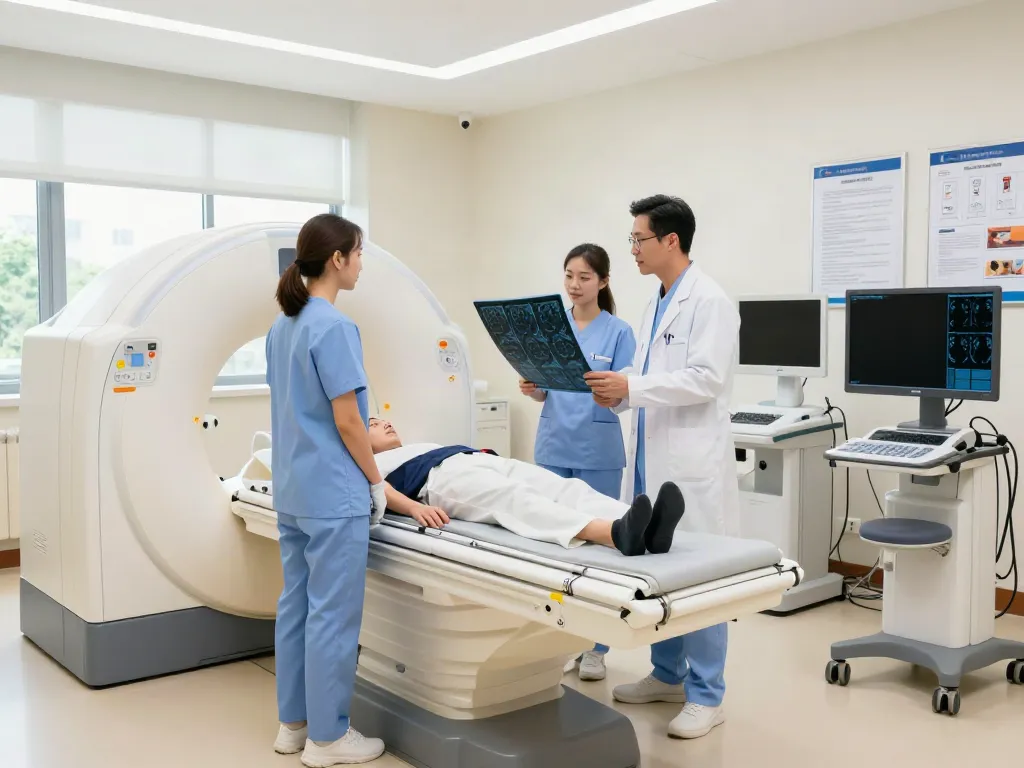
Understanding the Basics of Medical Imaging
Medical imaging is an essential part of modern healthcare, enabling practitioners to visualize the inside of the body for diagnosis, treatment, and research. The prominent technologies in the field include Computed Tomography (CT) scans, X-rays, and Magnetic Resonance Imaging (MRI). Each technique has unique attributes, applications, and mechanisms. When exploring options, https://radiologyexplained.com provides comprehensive insights into these modalities, helping both patients and professionals understand their functionalities and benefits.
What is CT Scan and its Applications?
Computed Tomography (CT) scans are advanced x-ray technology that creates detailed images of internal organs, bones, soft tissues, and blood vessels. The process involves the use of a combination of X-rays taken from different angles and computer processing to create cross-sectional images of bones, blood vessels, and soft tissues. CT scans are particularly useful in the detection of tumors, internal injuries, and diseases such as pneumonia and abdominal organ issues.
How X-Ray Works: Mechanisms and Usage
X-rays use a controlled amount of radiation to create images of the body's internal structures. This method is particularly effective for visualizing dense materials such as bones. X-ray images are produced by directing a beam of radiation through the body, which is then absorbed at different rates by various tissues. Dense tissues like bones absorb more radiation, appearing white on the X-ray film, while softer tissues allow more radiation to pass through, appearing darker. X-rays are commonly used to diagnose fractures, infections, and even certain cancers.
Exploring MRI Technology and Its Benefits
Magnetic Resonance Imaging (MRI) is an imaging technique that uses strong magnets and radio waves to generate images of organs and tissues inside the body. Unlike CT scans and X-rays, MRI does not use radiation, making it a safer option for many patients. MRI is particularly advantageous for imaging soft tissues, such as the brain, muscles, and ligaments. It is often utilized in the diagnosis and monitoring of conditions like multiple sclerosis, brain tumors, and complex joint disorders.
Comparing Imaging Techniques: CT, X-Ray, and MRI
Key Differences Between CT and X-Ray
While both CT scans and X-rays utilize radiation to create images, there are significant differences between the two. CT scans provide more detailed and comprehensive images compared to traditional X-rays. This is due to the fact that CT scans compile images from multiple angles and create cross-sectional views, whereas X-rays typically show a single flat image. As a result, CT scans are often preferred for diagnosing complex conditions that might be missed in standard X-ray imaging.
Advantages of MRI Over Traditional Imaging
MRI offers several advantages over conventional imaging techniques, particularly its ability to produce high-resolution images of soft tissues. This makes it particularly valuable for diagnosing neurological conditions, joint injuries, and cancers. Additionally, MRI does not expose patients to ionizing radiation, reducing potential risks associated with repeated imaging. The use of contrast agents in MRI can also enhance the clarity of the images, providing greater detail in certain areas.
When to Use Each Imaging Method?
The choice of imaging method can depend on various factors including the type of symptoms, the area of concern, and patient history. For instance, X-rays are typically the first line of investigation for bone injuries, whereas CT scans might be recommended for more complex conditions involving multiple organs. MRI is often the modality of choice when soft tissue imaging is necessary, particularly in cases of neurological or musculoskeletal disorders.
Common Misconceptions in Radiology
Debunking Myths About Radiation Exposure
One major concern among patients is the exposure to radiation from imaging techniques. While it is true that both CT scans and X-rays involve radiation, the doses are carefully controlled and considered safe for diagnostic purposes. Understanding the actual risks compared to the diagnostic benefits is crucial. Many health organizations have established guidelines to ensure the benefits of imaging outweigh any potential risks.
Understanding MRI Safety: What to Know
Patients often have questions about MRI safety, especially concerning the magnetic fields used in the process. MRIs are safe for most people, but there are certain precautions for individuals with implanted medical devices, such as pacemakers or cochlear implants. Patients should always inform their healthcare provider about any existing medical devices before undergoing an MRI.
Clarifying Misunderstandings About Imaging Costs
Cost is another common concern when it comes to imaging. Patients often believe that advanced imaging techniques like MRIs are prohibitively expensive. However, the costs can vary widely depending on location, healthcare facility, and insurance coverage. It’s crucial for patients to discuss potential costs with their healthcare providers and insurers before scheduling imaging procedures.
Best Practices for Patients Preparing for Imaging
How to Prepare for a CT Scan Appointment
Preparation for a CT scan can include fasting for a few hours before the procedure, particularly if contrast dye is to be used. Patients should also inform their doctors about any medications, allergies, or pre-existing conditions. Understanding the procedure can alleviate anxiety and improve the overall experience.
Essential Tips for X-Ray Procedures
For X-ray procedures, patients should wear comfortable clothing and remove any metal objects that may interfere with the images, such as jewelry or belts. It’s important to remain still during the exposure to avoid blurry images, which could necessitate repeat imaging.
What to Expect During an MRI Scan
Patients undergoing an MRI can expect to lie still for a period of time, often in a tube-like machine. The process is painless, although the machine can be noisy. Patients who experience claustrophobia may be provided with an open MRI option or sedatives to help ease anxiety.
Future Trends in Radiology and Medical Imaging
The Rise of AI in Diagnostic Imaging
Artificial Intelligence (AI) is making significant inroads in the field of medical imaging. AI algorithms can assist radiologists in interpreting results more accurately and efficiently, potentially reducing diagnostic errors and improving patient outcomes. The integration of AI tools in imaging platforms promises to streamline workflows and enhance precision in imaging diagnostics.
Innovations in Imaging Techniques for 2026
As technology evolves, new imaging techniques continue to emerge. Innovations such as portable imaging devices and advanced software for 3D imaging are anticipated to rise in popularity. These advancements may make imaging more accessible and enhance detailed diagnostics for a variety of conditions.
Predictions for Advancements in Radiology Technology
Looking ahead, future advancements in radiology technology may include improvements in imaging resolution, faster imaging times, and reduced costs associated with advanced imaging techniques. Virtual reality and augmented reality may also play a role in training radiologists and improving patient engagement with imaging results.
What Are the Latest Developments in Radiologic Science?
Recent developments in radiologic science include the increased use of hybrid imaging technologies, such as PET/CT and PET/MRI, which provide comprehensive information by combining different imaging modalities. This integration helps in the more accurate diagnosis and staging of various cancers.
Enhancing Patient Experience Through Technology?
The patient experience in imaging is continuously being enhanced through technological innovations, including online scheduling, digital result sharing, and patient education platforms. These advancements aim to provide patients with more control and understanding of their imaging procedures and results.
Future of Imaging: What to Expect for Patients?
As imaging technologies advance, patients can expect a more patient-centric approach in healthcare. The integration of telemedicine with imaging consults allows for greater accessibility and convenience. Future imaging techniques will likely focus on improved safety, efficiency, and the patient experience, ensuring that advanced diagnostics are available to all.